
“In the beginner’s mind there are many possibilities, but in the expert’s there are few.”
— Shunryu Suzuki
What’s Your Juice? Unlock the Energy that Transforms Performance, Fuels Purpose, and Ignites the People Around You is now available on Amazon and now on Audible!
Parts of this week’s story are shared in Chasing Influence: Transformational Coaching to Build Champions for Life. (Thanks, Missy Townsend!)
The White Belt
Over the course of thirty years and hundreds of millions of bags, Kansai International Airport in Osaka, Japan, hasn’t lost a single one of them. When NPR reported it a couple of years ago, most people assumed it must be an exaggeration or a fun story. It wasn’t.
Tsuyoshi Habuta, the airport’s chief of baggage operations, takes the job very seriously. “Luggage is precious to passengers,” he explains. That belief shows up in everything he does. Fragile items are hand-delivered, bags are placed on the carousel with handles facing outward, and every piece of luggage is tracked, counted, and checked … multiple times.
The luggage record of Kansai Airport is a perfect example of commitment to mastery, the pursuit of steady growth, getting a little better—every day.
The Japanese have a word for this. It’s kaizen … continuous improvement through small refinements and relentless attention to detail. While the kaizen philosophy took hold in post-World War II Japan, rooted in American quality-control measures, legendary stories of kaizen go back much further.
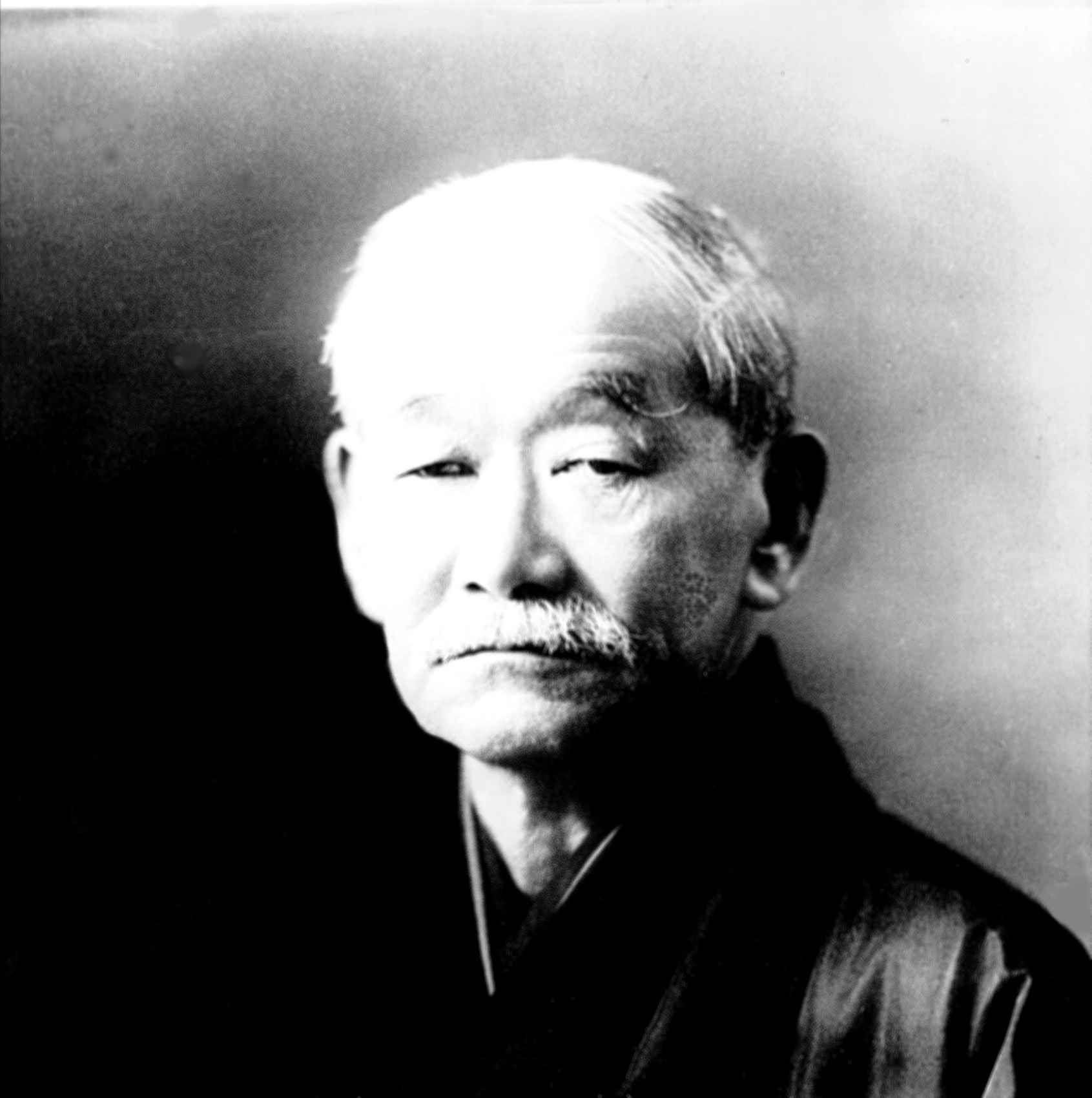
An apocryphal tale from the late 1800s tells of a young educator named Jigoro Kano, who created a new martial art—Judo. He introduced the belt system, white for beginners, black for masters. Over time, Kano became the highest-ranked practitioner in the world. A 10th-degree black belt. A lifetime of mastery.
And then, near the end of his life, he made a final request. He asked to be buried … in a white belt. Not the symbol of mastery, but rather the symbol of a beginner. Because even at the end, he believed he still had something to learn.
That single decision might be the most powerful lesson he ever taught.
A paradox even the great leaders and coaches grapple with is understanding that mastery isn’t a finish line. A black belt doesn’t mean you’ve arrived. It means you’re finally ready to start paying attention. Being a leader doesn’t mean it’s time for others to serve you. It means it’s time for you to serve.
The leaders who leave the deepest mark aren’t the ones with all the answers. They’re the ones still taking notes, asking questions, learning when no one is watching … and serving.
That’s what makes the Kansai Airport so special. It isn’t talent or technology that makes the difference. It’s something each and every one of us has the ability to possess: a belief. A belief that no detail is too small, no process is above improvement, and nothing—no matter how ordinary—is beneath our care.
What would change if we led like that? What might change if instead of trying to be the expert in the room, we sought to be the one still learning?
It’s a lesson for all of us. Stay curious, open, and never be too proud to wear a beginner’s belt.
“It’s what you learn after you know it all that counts.”
— John Wooden
Connecting this quote to the story. Mastery begins when we let go of the need to be the expert.
This week’s Chasing Influence tip: The best leaders model learning, not knowing.