

“Clear is kind. Unclear is unkind.”
- Brené Brown
Chasing Influence: Transformational Coaching to Build Champions for Life and What’s Your Juice? Unlock the Energy that Transforms Performance, Fuels Purpose, and Ignites the People Around You are available on Amazon and Audible!
This week, I zipped my bag shut on my 25th summer of coaching VFW baseball (15 and 16-year-olds). Twenty-five summers of batting practice, lineup cards, carpools, rain delays, close plays, hard conversations, and final outs. Twenty-five summers of teaching young people how to pitch, run the bases, compete, and pick each other up. Twenty-five summers of fun and trying to make a difference.
The end of a season always puts me in a reflective mood. I replay the year—the highlights, the lowlights, the what-ifs and the if-onlys. The bunt we should have tried. The pitching change made one batter too late. How fortunate I am to have the opportunity. The calls that went our way, and the ones that didn’t. It’s funny how the second kind always outweighs the first in my memory.
That’s the one that got me thinking this past week. There’s a situation I’ve watched play out at fields all across the country, in every last one of my summers coaching.
You’ve seen it too.
Two outs, bases loaded, full count on the batter. The pitcher takes a breath and delivers a pitch that flirts with the outside corner—close enough that the catcher holds his glove there an extra beat and close enough that both dugouts have their minds made up before the umpire ever moves.
“Ball four.”
One side of the field erupts. The fence rattles, parents groan, and a coach in the dugout lets the umpire know his precise displeasure with the strike zone. Sixty feet away, with a terrible angle, and absolutely certain.
Meanwhile, the third-base dugout applauds the same pitch. Great eye … way to battle!
Same pitch with two very different verdicts. And if the teams swapped jerseys, the arguments would flip too. We want the strike when we’re pitching and the ball when we’re hitting. The zone we’re screaming about is usually the one that benefits us, too.
The longer I have coached, the more convinced I am that the most important things we teach through baseball have almost nothing to do with baseball. John Scolinos understood that better than anyone.
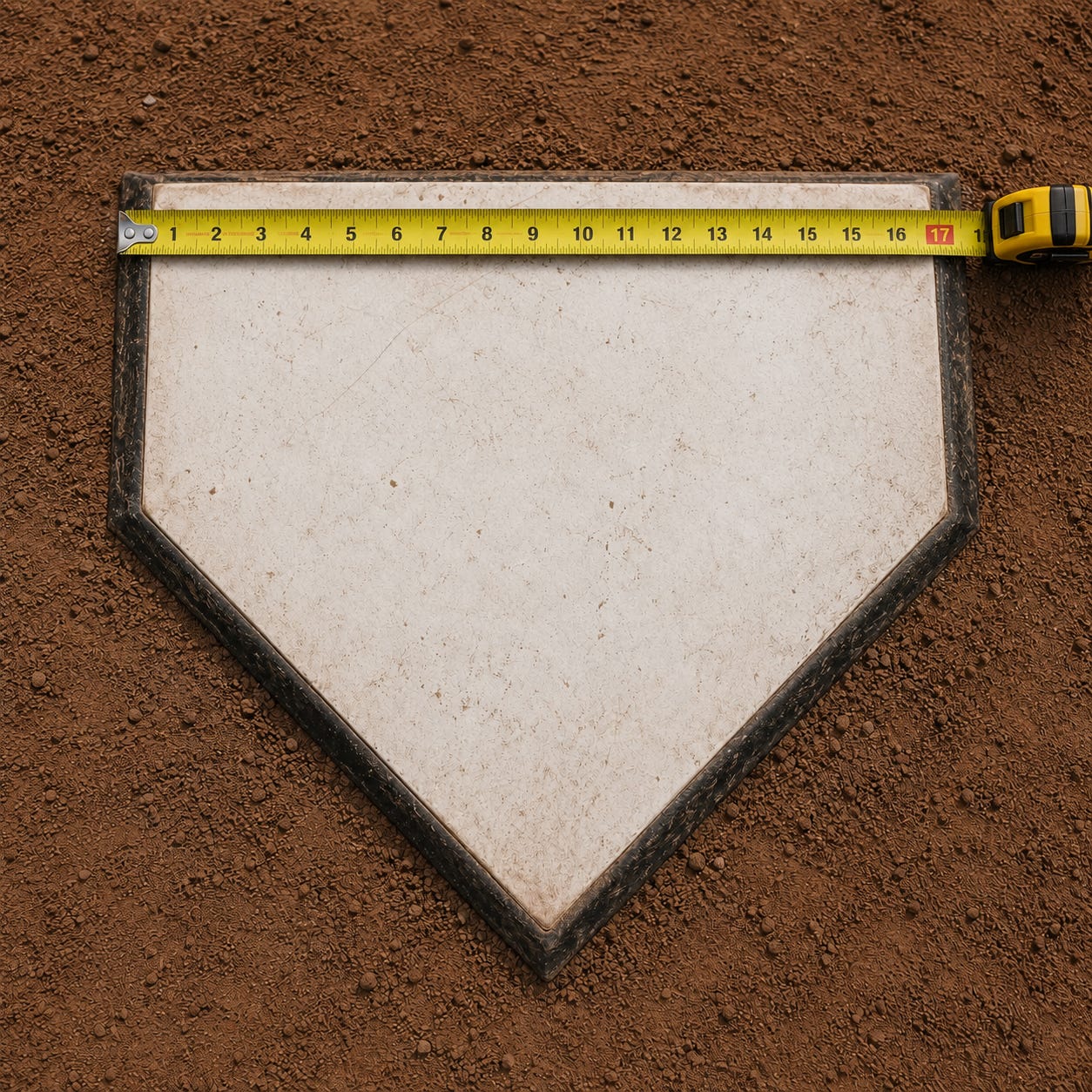
In January of 1996, more than 4,000 coaches packed into the Opryland Hotel in Nashville for the American Baseball Coaches Association convention. Scolinos was 78 years old, five years retired from a remarkable 44-season college coaching career. He shuffled to the stage with a full-sized home plate hanging from a string around his neck.
He spoke for 10 minutes without mentioning his adornment. Then he asked the room how wide home plate is in Little League.
Seventeen inches.
High school? Seventeen inches. College? Seventeen inches. The big leagues? Seventeen inches. And when a major-league pitcher can’t throw the ball over those seventeen inches, baseball doesn’t hand him a wider plate. It hands him a one-way ticket to Toledo.
His message not only landed with the room, it is still shared widely 30 years later. There was a coach named Chris Sperry who sat in that audience, and the account he later wrote carried the speech far beyond baseball. Coaches still reference the message. When people struggle to reach a standard, we don’t widen the plate.
Scolinos was right. The plate is seventeen inches, and it stays seventeen inches. But twenty-five summers have added a layer to it for me.
The plate doesn’t call the pitch.
Just like the colors of the plate, the rulebook defines the strike zone in black and white. Yet the rulebook has never raised its arm to call a strike. An umpire does that—a human being, crouched behind the catcher, making a judgment call on a ball darting through the air eighty-plus miles an hour.
And every umpire is different. One gives the outside corner, one squeezes the bottom of the zone, another likes the high strike. Ask any experienced player what to do about that and you’ll get the same answer: adjust.
Players can adjust to almost any zone. What they struggle to adjust to is a zone that moves.
A pitch that’s a strike in the second inning and a ball in the sixth. A corner that exists for one team and disappears for the other. A zone that shrinks when the dugout gets loud or the game gets close. That’s when trust leaves the ballpark. Hitters get confused, pitchers become frustrated, and coaches come unglued, because nobody knows what to expect.
The plate is the standard. The zone is the judgment. The people we lead need both to hold steady.
Think about how often we are the figurative umpire.
Every coach is … and so is every parent, teacher, and boss. We set the expectations, and then, pitch by pitch, we decide what actually counts. And in fairness to all the umpires out there, I know my zone has moved. I’ve repeated instructions a fourth time instead of expecting players to listen the first. And more than once, I’ve quietly finished a job someone was supposed to own, because it was just easier to do it myself, or I told myself I was modeling service in action.
None of it felt like lowering a standard. All of it feels like helping.
That’s what makes this hard. Widening the plate shows up dressed as kindness, patience, or common sense. And once someone learns the zone moves—because it got hard, life’s unfair, or impatience with the process of growth—they stop pitching to the corners of their own lives. Why hold yourself to seventeen inches when the plate can stretch on demand?
The people we lead will scout us the way hitters read an umpire.
Nobody had to teach them this. People study the zone of anyone who has authority over their lives. It’s how they figure out where they stand.
And that’s why steadiness matters more than almost anything else we bring. A demanding coach with a consistent zone earns trust—players may not love every call, but they can build on it. An easygoing coach whose zone shifts with his mood keeps everyone guessing, and guessing is exhausting. The people we lead don’t need us to be perfect. They need to know what we’ll call, today and tomorrow, for the star and for the last kid on the bench. They need to be able to dig in.
Holding a steady zone can never be the whole job, though.
When a pitcher can’t find the plate, you don’t shrug and point at it. You get to the field early and hit spots. You do flat-ground, work on the grip, catch a bullpen, and build the pitcher back up after the rough outing left his confidence rattled. The plate stays right where it is. The support is what grows.
The same goes for every standard worth keeping. Because someday there’s no uniform. The alarm goes off for a job that expects them at 7:00 whether they feel like it or not. A spouse counts on their word. A boss hands them a deadline that doesn’t disappear just because the week has become difficult.
Life will unapologetically keep its plate at seventeen inches.
Scolinos closed that day in Nashville by urging the coaches to keep their players, their families, and themselves at seventeen inches. He died in 2009 and coaches are still quoting him.
For all of us, watch where your zone drifts. Notice the pitch you call a strike for one person and a ball for another. Standards stay the same, needs will vary and change. Keep the plate where Scolinos left it, and get in the dirt to help somebody when they need it.
To watch Coach Scolinos’ talk, click here. Coach John Scolinos delivered his famous “17 Inches” speech at the 1996 ABCA Convention. Chris Sperry's account of that day, “Stay at 17 Inches,” carried it to the world and is worth every minute: sperrybaseballlife.com/stay-at-17-inches.
“Keep your players — no matter how good they are — your own children, your churches, your government, and most of all, keep yourself at seventeen inches.”
- John Scolinos
Connecting this quote to the story. Whether coaching players, raising children, leading groups … or ourselves, our responsibility is to hold the standard steady while giving people the support they need to reach it.
This week’s Chasing Influence tip: Don’t widen the plate. Teach, support, and believe people into reaching it.