
“We suffer more in imagination than in reality.”
— Seneca
What’s Your Juice? Unlock the Energy that Transforms Performance, Fuels Purpose, and Ignites the People Around You is now available on Amazon and now on Audible!
Running to the Roar
I have always enjoyed Saturday morning nature programs on TV. You can learn a lot from Mother Nature, and I love to see animals I might not otherwise see unless I'm visiting a zoo.
In both cases, I enjoy and appreciate the safety of observing the wild kingdom from a safe place. If you’ve ever heard the full-throated roar of a lion in person, you’ll never forget it. Even separated by a zoo enclosure, your heart starts pounding.
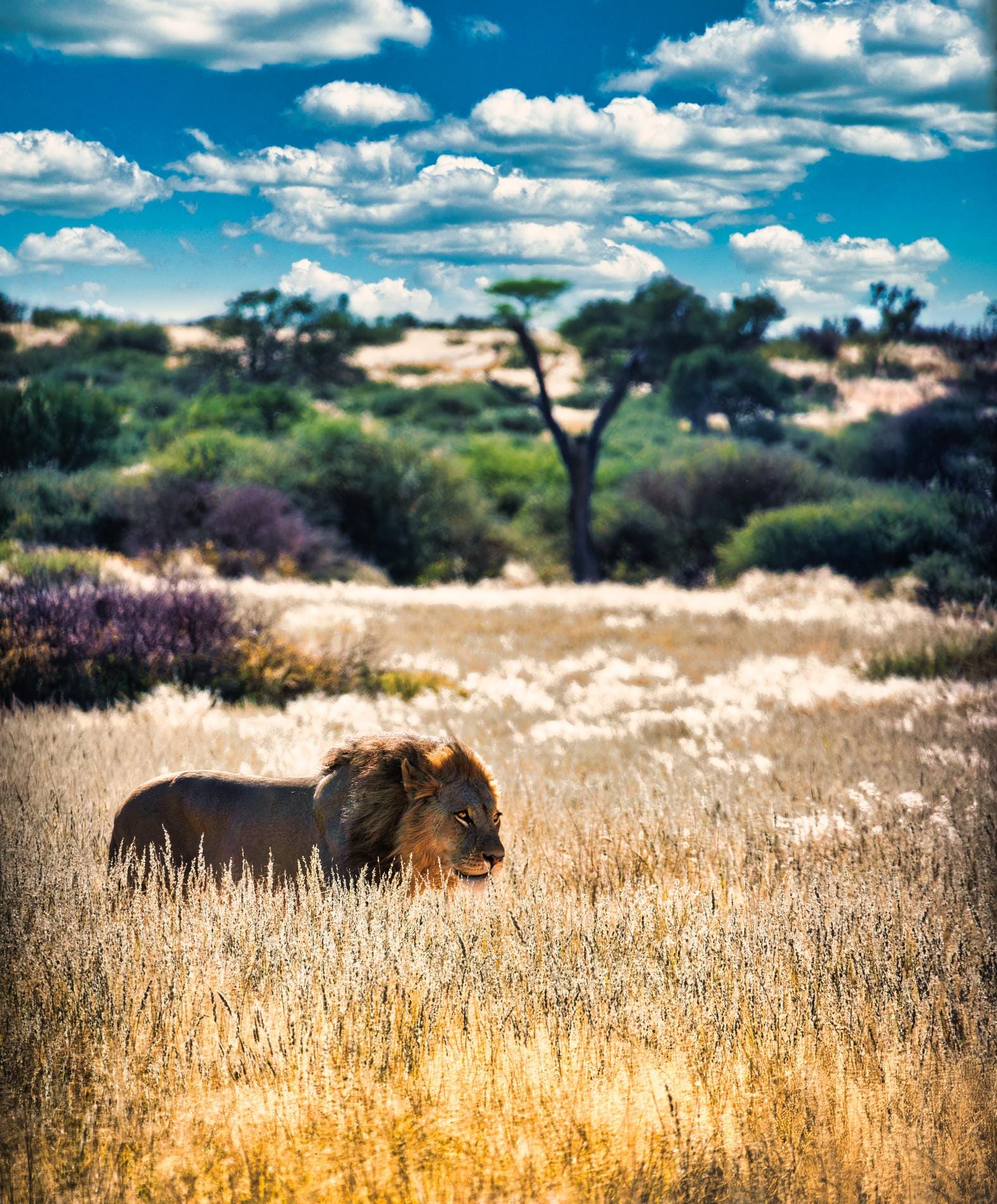
Imagine you don’t have the reassurance of that safety glass for a moment. You’re standing in the tall grass of the African savanna. The air is still until it hits you—the deep, guttural roar of a lion shakes your body. Our built-in fight-or-flight response kicks in. Run … quickly … away from that sound.
That instinct seems safe and obvious. Get away from that noise.
That instinct to run away from the noise is exactly what gets you killed.
When a pride of lions hunts, the roar usually comes first. It’s loud, violent, impossible to miss. Older lions are often tasked with creating the heart-stopping noise that triggers panic. Meanwhile, the real hunters—the younger, faster lionesses—move silently. They don’t roar. They don’t make or chase noise. They go straight to the spot where the fleeing victims will run.
When prey bolts away from the roar, it runs straight into the ambush. The roar actually isn’t the threat. It creates a trap.
The animal kingdom is a constant teacher. We see this same situation play out in our everyday lives. We hear the roar of a difficult conversation and avoid it, a tough project appears and we steer clear, or change happens and we resist. We run away from the noise.
Unfortunately, the thing we’re running from doesn’t disappear. It circles, grows, and waits for you. Avoided conversations rot relationships, delayed decisions turn into crises, and ignored problems compound. The cost of avoidance is higher than the discomfort of action.
Running to the roar (rather than away from it) doesn’t mean being reckless. It means being clear-eyed and recognizing that what’s loud isn’t always what’s dangerous. Likewise, what’s quiet is often where the challenge lives. We can face our fears or be controlled by them.
We can learn to do hard, and we can do hard better. Every time you face what scares you instead of fleeing from it, you build capacity. Hard doesn’t disappear, but your ability to handle it grows.
What’s the thing you keep circling, the thought you push down, the decision you delay? The cost of avoidance is higher than the discomfort of action. Running from the roar only guarantees you’ll meet the ambush unprepared.
Run to the roar.
“The cave you fear to enter holds the treasure you seek.”
— Joseph Campbell
Connecting this quote to the story. Our stories are the psychological cave; what feels most intimidating to enter is often where growth, clarity, and breakthrough are waiting for us.
This week’s Chasing Influence tip: Address tension while it’s small.